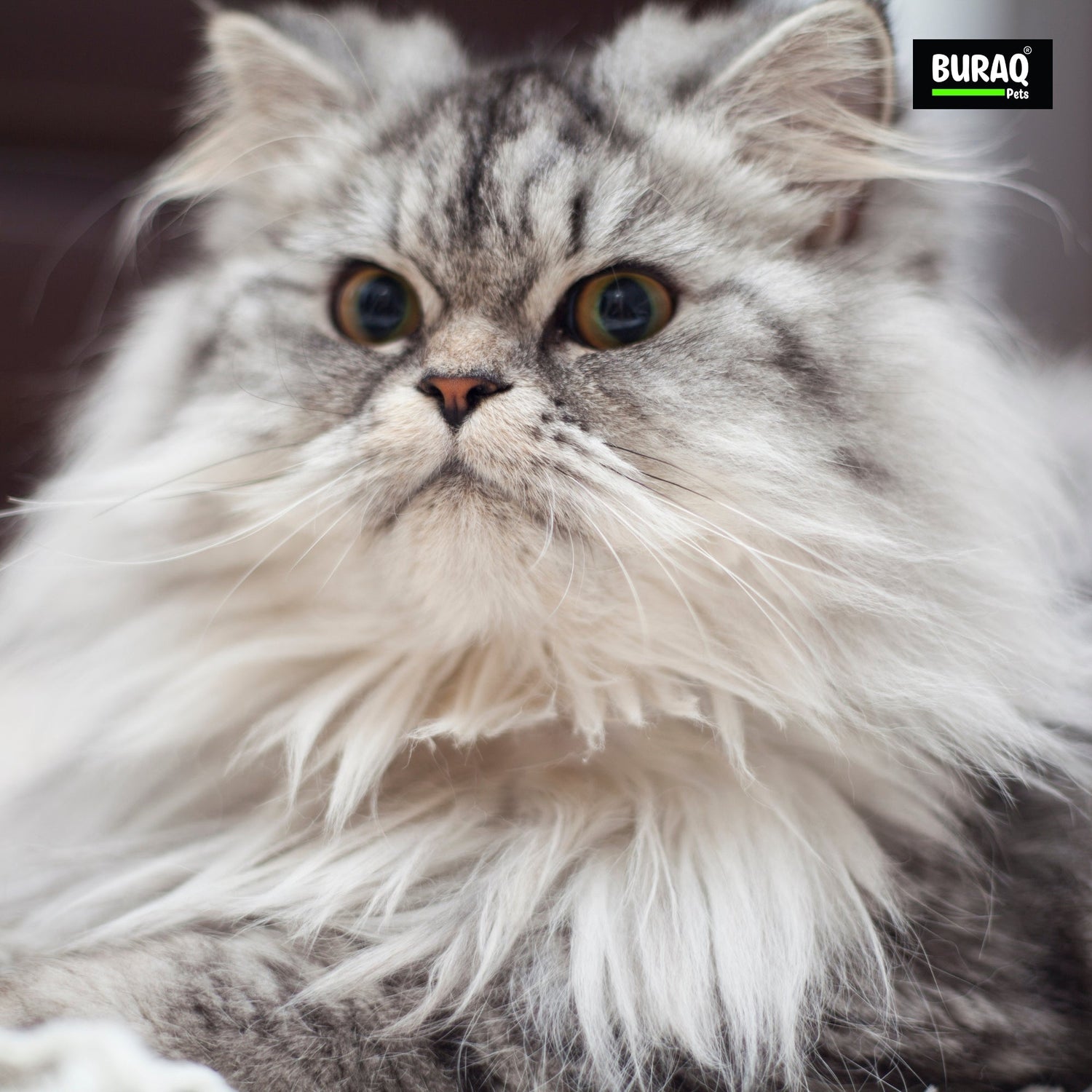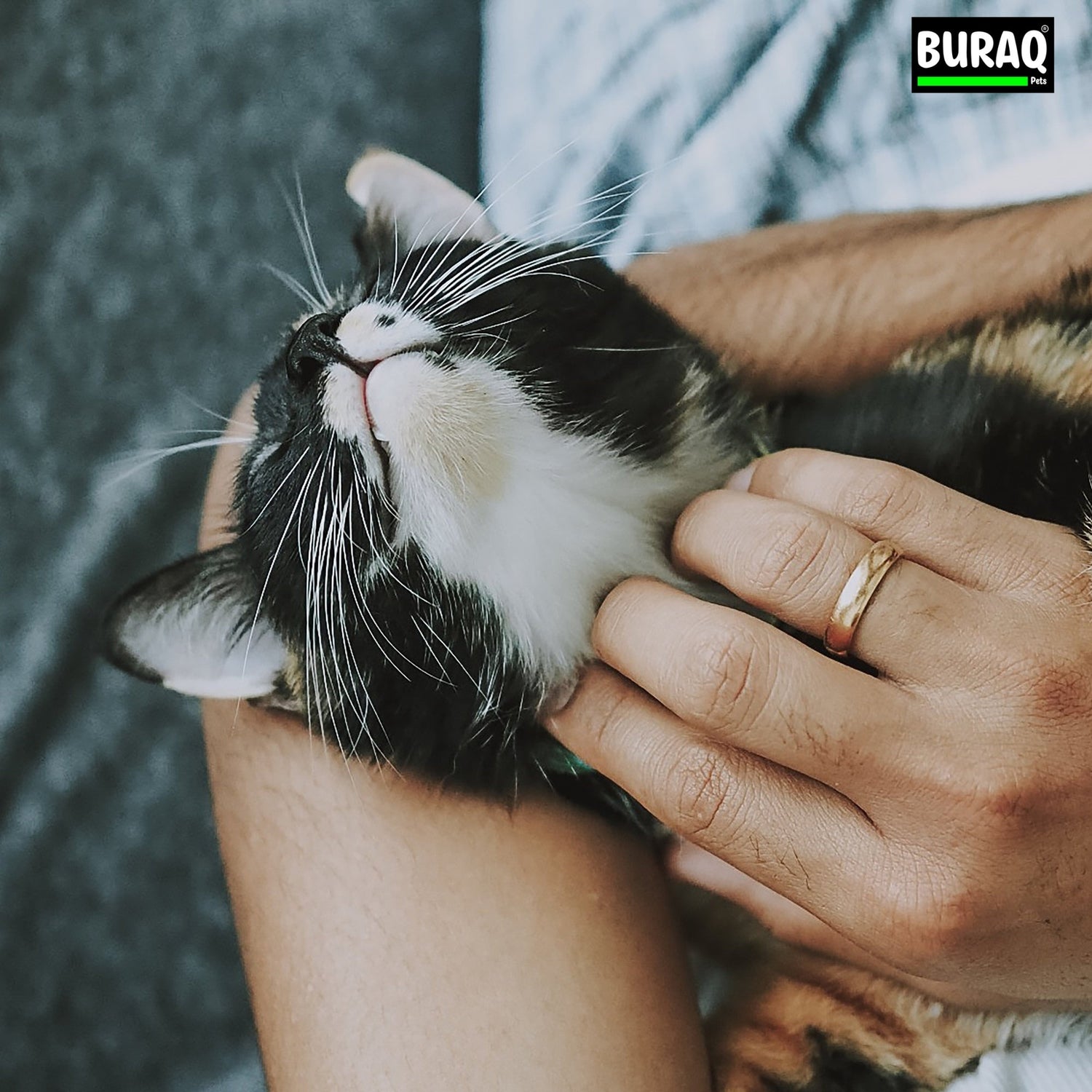

Is your kitten hair fall and hairballs situation turning your home into a furry battleground? Don’t worry - you’re not alone in this fluffy predicament!
Despite being tiny, kittens can shed surprising amounts of fur that end up on furniture, clothes, and occasionally, as hairballs on your favorite rug. Understanding how to prevent hairballs in kittens starts with recognizing that shedding is completely normal. However, excessive hair loss or frequent hairballs might indicate underlying issues that need attention.
Kitten shedding happens for various reasons - from seasonal changes to growth phases as their baby coats transform into adult fur. Additionally, factors like diet, stress, and grooming habits play significant roles in how much your little feline friend sheds.
This vet-approved guide offers practical kitten grooming tips and explains why kittens shed excessively in some cases. Furthermore, you’ll discover effective strategies to reduce cat hair fall, creating a healthier environment for both you and your furry companion.
Let’s dive into understanding what’s normal when it comes to kitten coats, and when you should consider seeking professional help.
Understanding Kitten Shedding and Hairballs
Normal kitten shedding differs significantly from the excessive hair loss that requires veterinary attention. Kittens naturally shed to remove dead hair and release natural oils into their skin, preventing irritation [1]. The key difference between normal shedding and concerning hair loss is simple – with normal shedding, the coat still appears thick and evenly distributed with no bald spots [2].
What normal shedding looks like
While adult cats typically shed year-round, kittens don’t shed much fur until they approach adulthood. Most kittens begin shedding between 3-6 months of age [3]. During this time, you might notice:
-
Loose fur on furniture and clothing
-
More grooming behavior
-
Seasonal variations in shedding intensity
For indoor kittens, shedding can occur year-round since climate control confuses their biological clock [3]. This constant shedding is perfectly normal and simply means your kitten is healthy and developing properly.
When hairballs are expected
Hairballs generally appear once kittens develop adult grooming behaviors, typically around 4-6 months of age [4]. As kittens groom themselves, tiny hooks on their tongue capture loose hair, which is then swallowed. Generally, this hair passes through their digestive system without issues [1].
Certain kittens are more prone to hairballs, particularly long-haired breeds and those that groom excessively [5]. First-time hairballs might seem alarming, but they’re usually a normal part of feline development. Nevertheless, frequent hairballs could signal digestive issues or excessive grooming due to stress.
How kitten coats change over time
The transformation from kitten fluff to adult coat marks an important developmental milestone. When you first bring home a kitten, you’ll notice their incredibly soft, fluffy fur – often called “kitten fluff” [3]. This baby coat serves a crucial purpose: keeping young kittens warm and protected.
As they mature, this soft baby fur gets replaced by a thicker, more durable adult coat, typically between 3-6 months [3]. The adult coat is generally longer, glossier, and more protective than the kitten coat [1]. This transition explains why you’ll see more loose hair around your home during this period.
Genetics and breed significantly affect the timing of this coat change. Long-haired kittens often experience more noticeable shedding and may develop mats if not brushed regularly [6].
Warning Signs That Need Vet Attention
While some hair fall and occasional hairballs are normal in kittens, certain signs require immediate veterinary attention. Recognizing these warning signals early helps prevent serious complications.
Bald patches or scabs
Round bald patches on your kitten’s coat indicate abnormal hair loss that requires professional evaluation [5]. Unlike regular shedding, patches with exposed skin, redness, or crusted areas suggest potential health issues [4]. Watch for:
-
Crusty, scabbed, or oozing skin areas [7]
-
Foul skin odors or unusual changes in skin color [7]
-
Areas that appear chewed, inflamed, or bleeding [7]
These symptoms often point to parasites, fungal infections like ringworm, or allergic reactions rather than normal shedding [5].
Frequent vomiting or gagging
Occasional hairballs are typical, especially as kittens develop adult grooming habits. Nevertheless, certain patterns require veterinary assessment:
-
Vomiting hairballs more than once or twice monthly [8]
-
Prolonged gagging without producing hairballs [9]
-
Persistent retching attempts with no results [10]
A kitten struggling but failing to expel a hairball might have a blockage requiring prompt medical intervention [8].
Lethargy or appetite loss
Pay close attention to behavioral changes accompanying hair issues. A lethargic kitten or one refusing food alongside hairball symptoms needs immediate veterinary care [11]. Warning signs include:
-
Decreased activity levels or hiding behaviors [7]
-
Food refusal for more than a day [11]
-
Visible discomfort or swollen abdomen [12]
These symptoms may indicate a hairball has moved into the intestines, creating a potentially serious blockage [9].
Checklist to track symptoms
Maintaining a simple log makes it easier to identify patterns requiring veterinary attention:
-
Date and hairball frequency
-
Grooming behavior changes
-
Appetite variations
-
Energy level fluctuations
-
Litter box habits (constipation often accompanies hairball issues) [7]
This tracking helps provide your veterinarian with valuable information for diagnosing potential problems beyond normal kitten hair fall and hairballs.
Daily and Weekly Care to Reduce Hair Fall
Establishing regular grooming routines remains the most effective way to manage kitten hair fall and prevent those pesky hairballs from forming. Consistent care not only keeps your kitten looking beautiful but essentially functions as preventative healthcare.
Daily brushing and coat wiping
Even short-haired kittens benefit from quick daily brushing sessions. Start with just 2-3 minutes of gentle brushing after playtime when your kitten is relaxed. Long-haired kittens need daily attention, whereas short-haired ones can manage with 2-3 sessions weekly. Following each session, use a damp microfiber cloth to capture any remaining loose fur, dust, and dander. This simple routine removes dead hair before your kitten can swallow it during self-grooming.
Weekly coat checks and nail trims
Set aside 15-20 minutes weekly for a thorough inspection. Part your kitten’s fur along the neck, back, and tail base to check for mats, scabs, or signs of parasites. Pay close attention to areas behind the ears, under the chin, and between paw pads—these spots frequently develop mats. For indoor kittens, nail trimming every 3-4 weeks prevents scratching damage. When trimming, cut only the clear tip, staying well away from the quick (the pink area at the base).
Cleaning bedding and litter areas
Kitten bedding requires weekly washing in hot water to kill potential mites and flea eggs. Accordingly, thoroughly clean litter box corners and seams where odor and germs collect. Fresh bedding and clean litter help reduce skin irritation that might prompt excessive grooming.
Choosing the right grooming tools
Select brushes based on your kitten’s specific coat type:
-
Short-haired kittens: Soft-bristle brush or rubber grooming mitt
-
Long-haired kittens: Slicker brush and wide-toothed metal comb
For sensitive kittens who resist traditional brushes, consider grooming gloves that feel like petting. Remember that the right tools make grooming enjoyable for both you and your kitten. Over time, these consistent care routines strengthen your bond while primarily reducing hair fall and preventing those troublesome hairballs.
Preventing Hairballs Through Diet and Environment
Beyond grooming, proper nutrition and environment play crucial roles in managing kitten hair fall hairballs. Making strategic changes in these areas can dramatically improve your kitten’s digestive health.
High-fiber and omega-rich foods
A specialized diet makes a substantial difference in hairball prevention. High-fiber formulations help sweep ingested hair through the digestive system instead of forming troublesome clumps. Look for dry foods with 8-10% crude fiber content and canned options with 2-4% [13]. Adding small amounts of canned pumpkin or unflavored psyllium to regular food offers another fiber-boosting option [13].
Foods rich in Omega-3 fatty acids support skin health, subsequently reducing excessive shedding [14]. Consider fish oil supplements or specialized diets containing these essential nutrients.
Hydration and digestive health
Kittens need approximately 4 ounces of water per five pounds of body weight daily [15]. Proper hydration softens food, making digestion easier and helping hair pass through the system. Try placing water bowls in multiple locations throughout your home to increase consumption [1].
Stress-reducing play routines
Anxious kittens often overgroom, ingesting more fur. Create a calm environment with regular play sessions to minimize stress-related shedding. A dedicated play area away from household traffic helps nervous kittens feel secure.
Home cleaning tips to reduce loose fur
Maintain moderate humidity levels (40-50%) to combat dry air that intensifies shedding [16]. Moreover, regular cleaning of bedding and play areas prevents reintroduction of shed fur that kittens might ingest while grooming.
Conclusion
Managing kitten hair fall and hairballs requires a balanced approach combining proper grooming, nutrition, and environmental care. Your furry friend naturally sheds, especially during the transition from kitten fluff to adult coat between 3-6 months of age. However, excessive hair loss or frequent hairballs might signal underlying issues that need professional attention.
Regular brushing stands as the most effective defense against hairballs, removing loose fur before your kitten ingests it during self-grooming. Additionally, weekly coat checks help identify potential skin problems early, preventing excessive scratching and subsequent hair loss.
Nutrition plays an equally important role in hairball prevention. Foods rich in fiber and omega-3 fatty acids support healthy digestion and skin, consequently reducing shedding and hairball formation. Proper hydration further assists your kitten’s digestive system in processing any ingested fur.
Watch carefully for warning signs such as bald patches, frequent vomiting, or lethargy. These symptoms require immediate veterinary care as they might indicate serious conditions beyond normal shedding.
The combination of consistent grooming routines, appropriate nutrition, stress reduction, and clean living spaces creates the ideal environment for your kitten to thrive with minimal hair fall issues. Through these preventive measures, both you and your kitten can enjoy a cleaner home and healthier relationship, free from the frustration of excessive fur and unexpected hairballs.